

Unity Coalition
Unity Coalition provides a collaborative space for promoting conversation and action, as well as allyship and advocacy on intersectional topics relevant to MSU members and the broader community.
Working closely with student organizational leaders, Unity Coalition strives to provide a supportive climate and holistic support throughout the student leadership and community experience, understanding that high-quality cocurricular experiences (e.g., Coalition training) are essential to student success. Namely, the Unity Coalition coordinator works with student organizations and institutional leaders to ensure policies, procedures, and practices related to student organizations and student gathering spaces align with the five areas of student success.
Programs
Programming promotes collaboration across identity-based student organizations and campus partners. The Unity Coalition strengthens coordination between CORES and CAMS organizations and other department-affiliated RSOs. This deepens partnerships with units across the department as well as Student Affairs administration, faculty, and advisors.
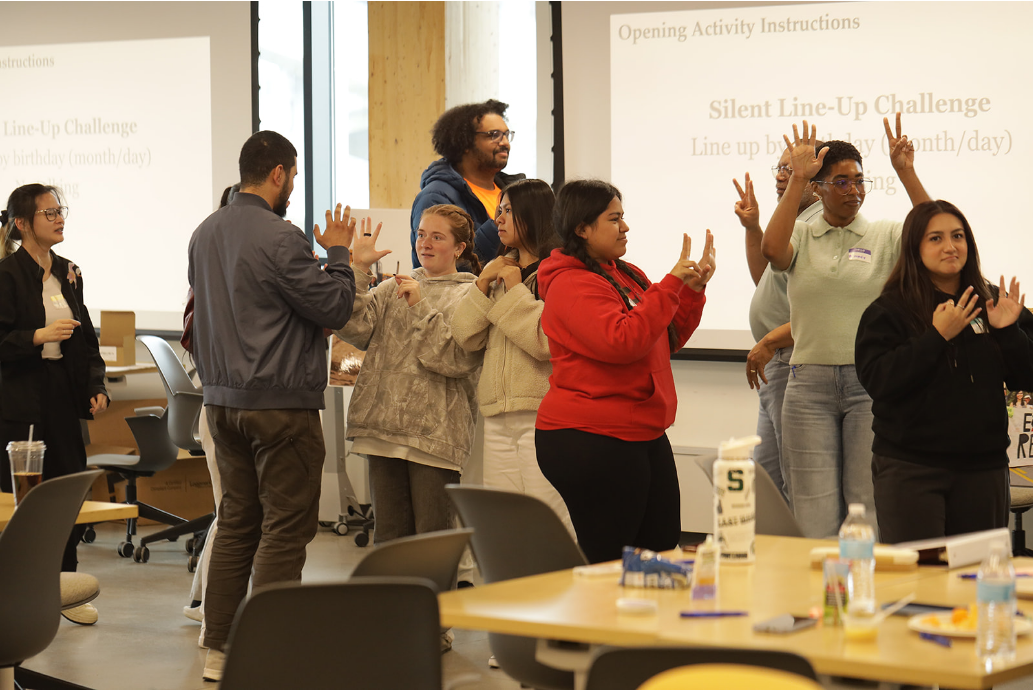
The implementation of an annual IAB Student Leaders Training & Transition Days brings student leaders together for training on identity, advocacy, communication across differences, coalition building, and organizational sustainability.
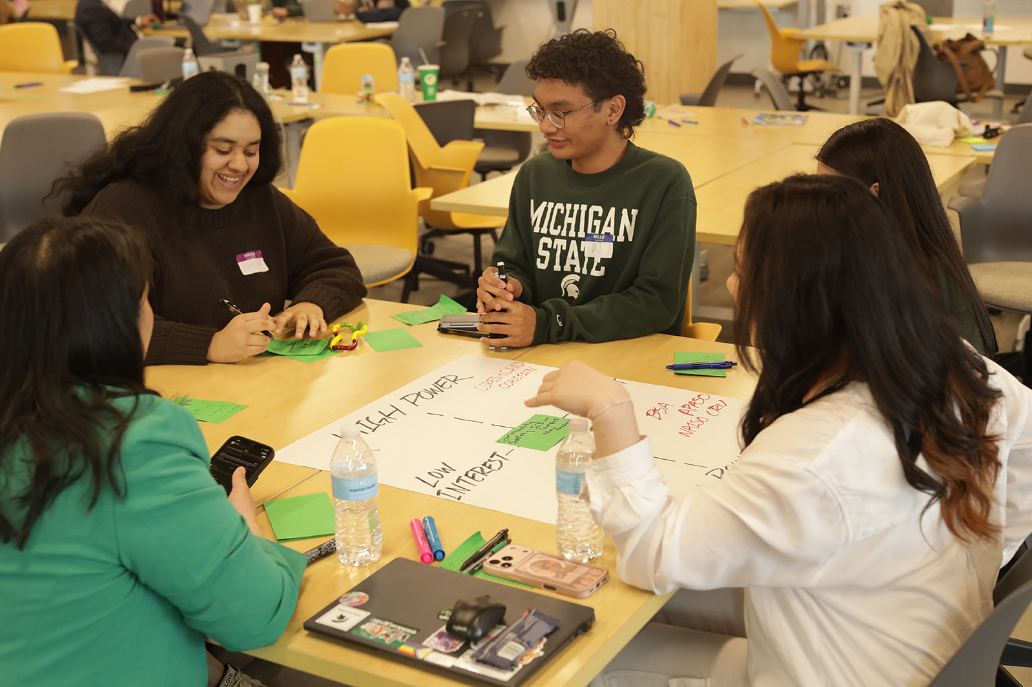 The Unity Coalition strengthens the institutional connection between students and university leadership. A Breakfast & Bridge Building event connects student leaders with IAB Directors, faculty, staff, and administrative partners, increasing visibility of campus resources and strengthening relationship-based support systems.